
What is Gukbap?
Gukbap is a traditional Korean dish consisting of hot soup served with rice in a single bowl. It offers the convenience and efficiency of enjoying soup and rice together in one serving.
Gukbap provides generous portions at affordable prices and is highly nutritious, making it a beloved everyday meal for Koreans. It’s particularly popular as a breakfast option or hangover cure.
History and Culture of Gukbap
In the early 19th century, there were over a thousand five-day markets across Korea. Traveling merchants called bobusang moved from market to market conducting business and relied on gukbap for quick, efficient meals.
These merchants needed to eat quickly, making gukbap—with everything contained in a single bowl—the ideal solution. This is how gukbap evolved alongside the history of Korea’s working class.
Seolleongtang was Korea’s first fast food and delivery dish. It was an affordable meal that even those with limited budgets could enjoy without burden.
How to Eat Gukbap
Gukbap typically arrives with rice already mixed into the soup. However, you can request “rice on the side” (bap ttaro juseyo) to receive the rice and soup separately. Recently, many establishments serve gukbap in the ttaro-gukbap¹ style—with rice and soup separated from the start—as the default option.
¹Ttaro-gukbap: A serving style where rice and soup come in separate bowls, allowing diners to mix them according to their preference.
Kimchi and kkakdugi (cubed radish kimchi) are complimentary and refillable. Simply ask for more by saying “more kimchi, please.”
Season to taste using salted shrimp (saeujeot), salt, and pepper. Each type of gukbap pairs best with different seasonings, so feel free to use the condiments provided on the table.
8 Must-Try Types of Gukbap
Sundae-gukbap (Korean Blood Sausage Soup)
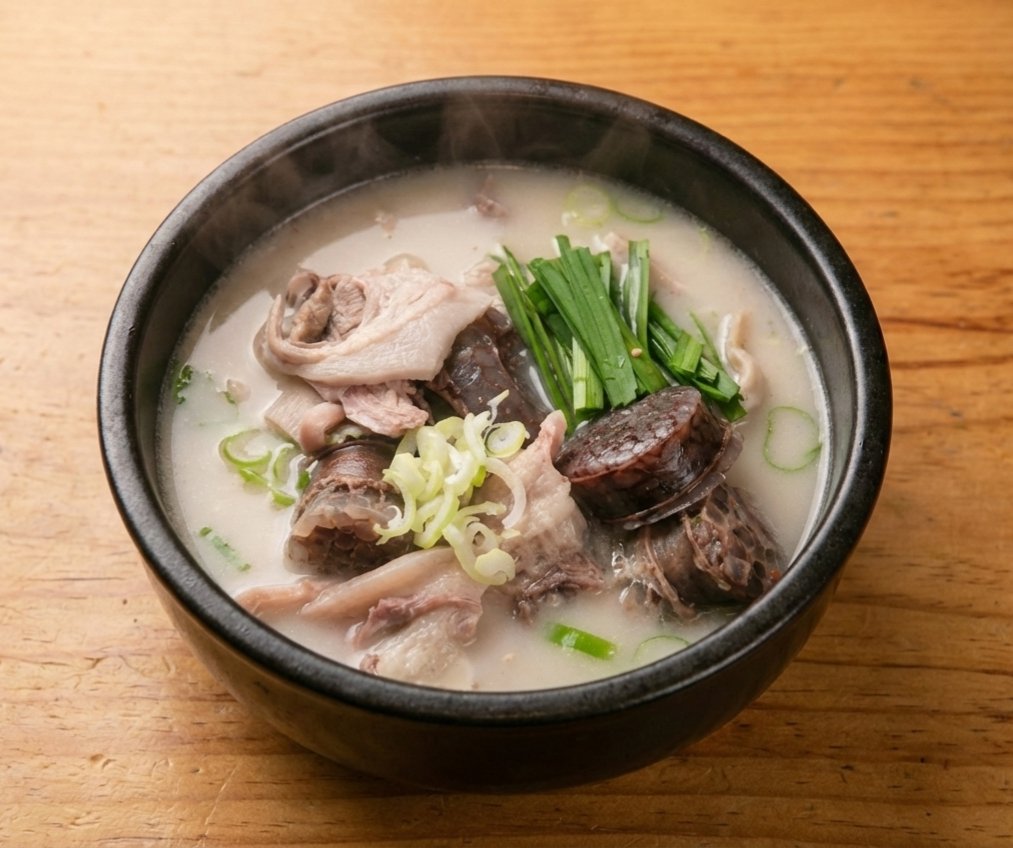
This soup features pork bone broth with Korean-style sausage called sundae² and head meat. Some enjoy it with generous amounts of ground perilla seeds for added nuttiness.
²Sundae: Korean blood sausage made by stuffing pig intestines with glass noodles, vegetables, and sometimes blood. Unlike Western sausages, it has a soft, savory character.
The chewy texture of offal harmonizes beautifully with the rich broth. As the glass noodles from inside the sundae dissolve into the soup, they add a distinctive savory depth.
Recommended Restaurants
- Nongmin Baekam Sundae (Gangnam/City Hall): Currently one of Seoul’s most popular sundae-guk spots with long queues. Known for its rich broth.
- Cheongwaok (Euljiro Main Branch): With stylish interiors and clean flavors, this is the most popular brand among MZ generation Koreans and international visitors.
- Park Seobang Sundae-gukbap (Samseong-dong): A local favorite among office workers for its quality meat.
Dwaeji-gukbap (Pork Soup with Rice)
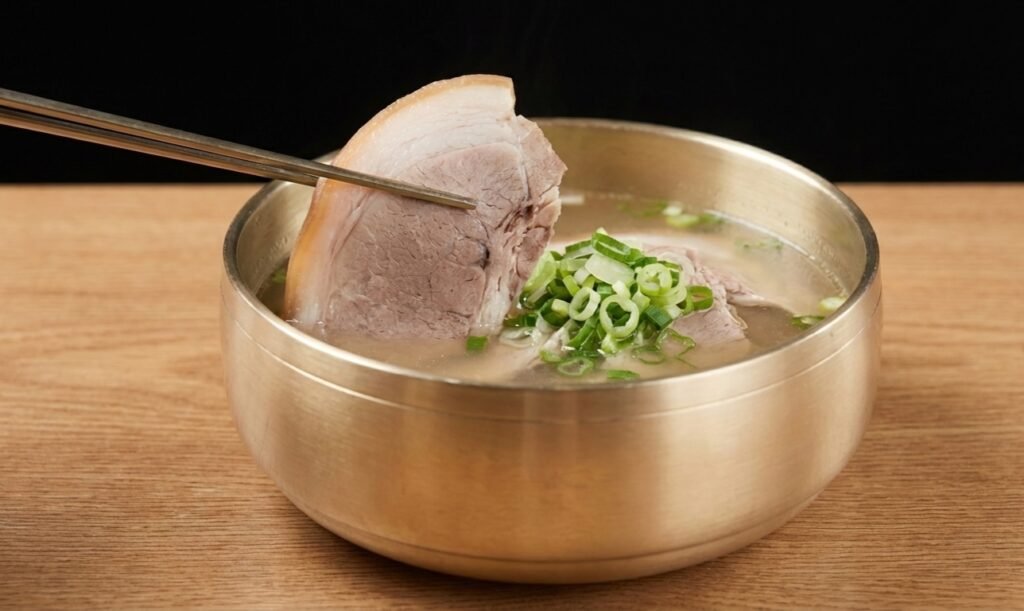
This is Busan’s signature soul food, beloved throughout Korea. It’s made by simmering pork bones and meat for extended periods.
Dwaeji-gukbap comes in two main styles. The clear broth version, made by simmering only bones, offers a clean and mild flavor. The cloudy version includes meat and offal during the cooking process, resulting in a rich, savory soup.
The origins of dwaeji-gukbap trace back to the Korean War era. Refugees who fled to Busan began making soup from inexpensive pork bones to feed themselves.
Recently, the clear-style “premium dwaeji-gukbap” has become trending in Seoul. Korean-style dwaeji-gukbap restaurants have even opened in Manhattan, New York, gaining significant popularity.
Recommended Restaurants
- Okdongsik (Hapjeong): A Michelin Guide-listed restaurant serving clear pork bone soup (dwaeji-gomtang). This is the exact style that achieved great success in New York.
- Eom Yongbaek Dwaeji-gukbap (Jongno/Busan): A premium establishment where you can experience both Busan-style (rich) and Miryang-style (clear) versions.
- Suyeong Dwaeji-gukbap (Busan): Chosen by Busan locals as the most authentic and delicious gukbap restaurant in the city.
Galbi-tang (Short Rib Soup)
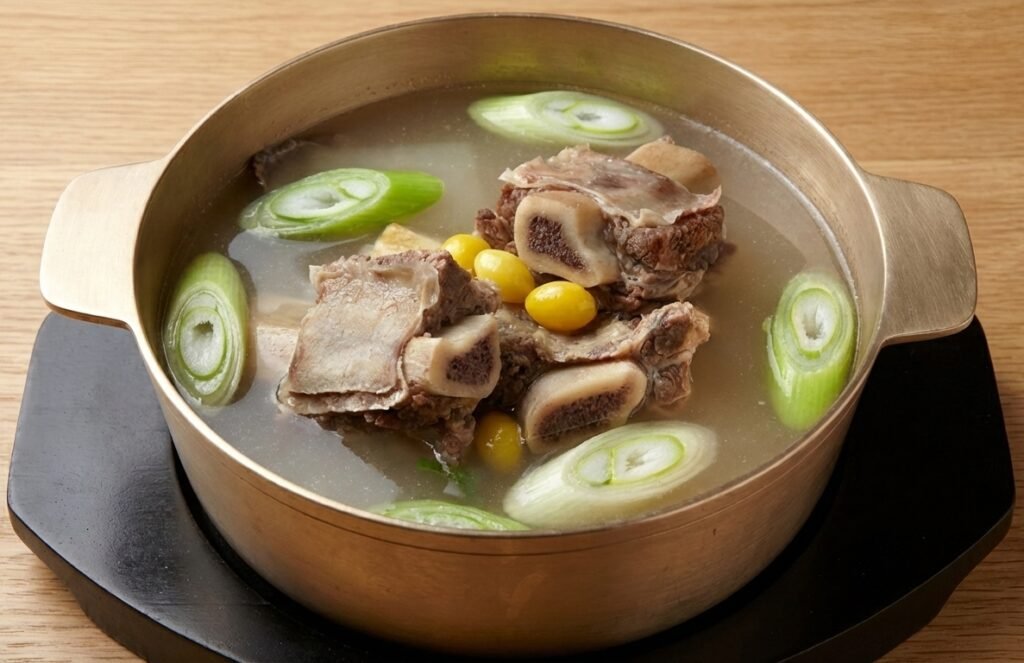
This visually stunning soup features large short ribs in clear beef broth. It’s the most preferred menu item among international visitors. The meat is so tender it falls effortlessly from the bone. The clean broth carries the sweet essence of beef ribs.
Recommended Restaurants
- Hanilkwan (Apgujeong/Euljiro): With 80 years of tradition, this establishment offers galbi-tang in an atmosphere befitting formal occasions.
- Beodeunamu-jip (Seocho): Famous for Hamrasan Galbi-tang, this restaurant serves premium galbi-tang in limited daily quantities.
- Gangnam Myeonok (National Chain): An excellent choice for enjoying galbi-jjim (braised short ribs) and galbi-tang with approachable, mainstream flavors.
Ppyeo-haejangguk (Spine Hangover Soup)
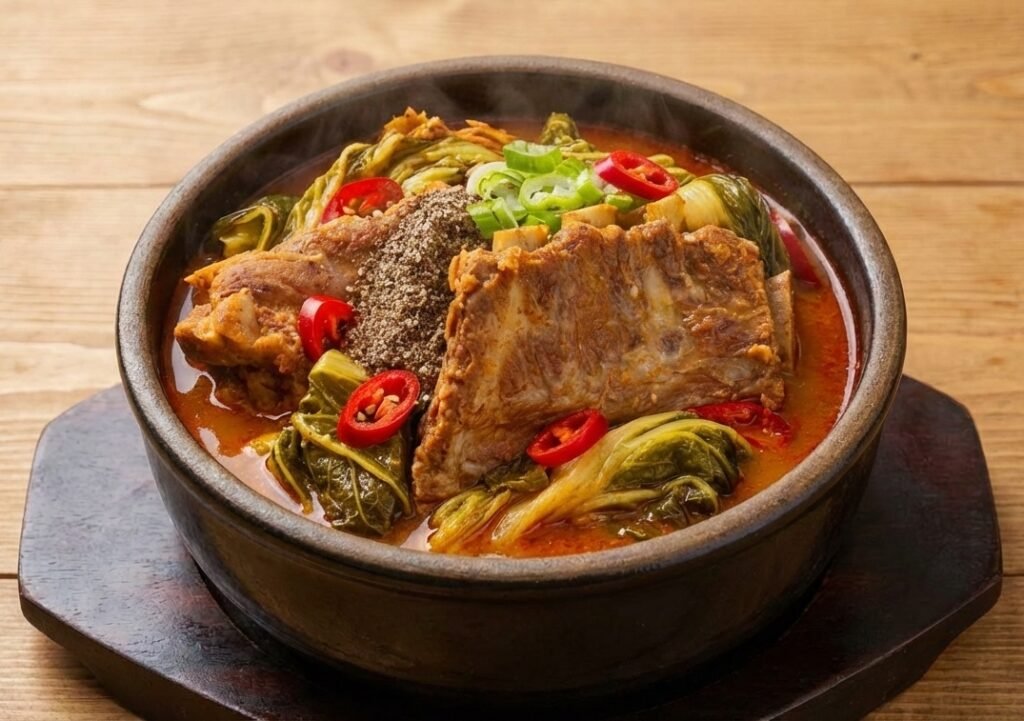
This hangover soup contains whole spine bones in spicy broth. There’s unique enjoyment in picking the meat off the bones with your hands. The refreshing taste of dried radish greens (ugeoji) and the spicy broth work together to soothe the stomach.
Recommended Restaurants
- Halmeoni Hyundae Nakji Gamjatang (Sinsa): A long-established restaurant famous as a celebrity hotspot, frequented by BTS and others, known for spicy potato-pork spine soup.
- Jooeun Gamjatang (Songpa): Praised on Wednesday Gourmet and other shows as the gold standard for rich broth.
Kongnamul-gukbap (Bean Sprout Soup with Rice)
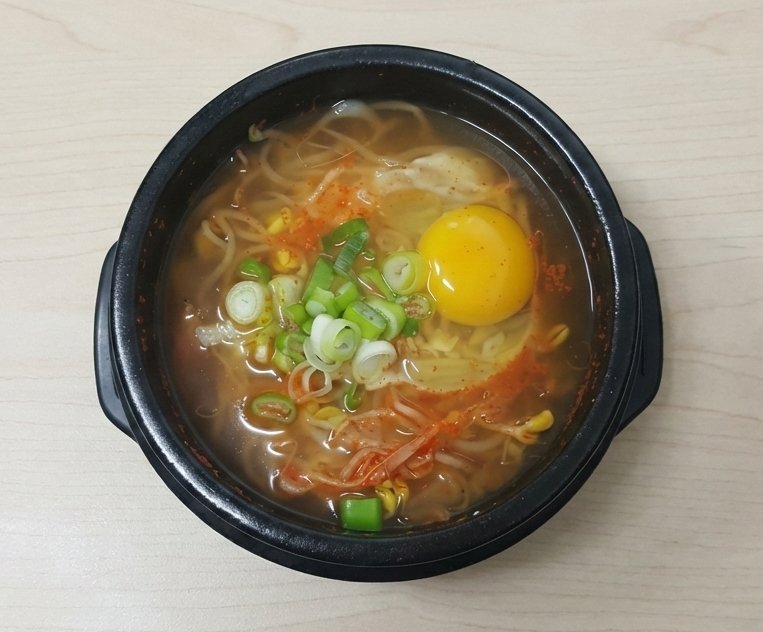
Jeonju’s signature dish features abundant bean sprouts in refreshing soup. The key enjoyment comes from dipping a poached egg (suran) into the broth. The crisp texture of bean sprouts remains intact. Seasoning with salted shrimp (saeujeot) multiplies the umami flavor.
Recommended Restaurants
- Hyundaeok (Jeonju/National): The definitive name in Nambu Market-style kongnamul-gukbap, guaranteeing consistent flavor at any location nationwide.
- Sambaek-jip (Jeonju/National): Recommended for those who prefer mild, unpretentious flavors without excessive seasoning.
Seolleongtang (Ox Bone Soup)
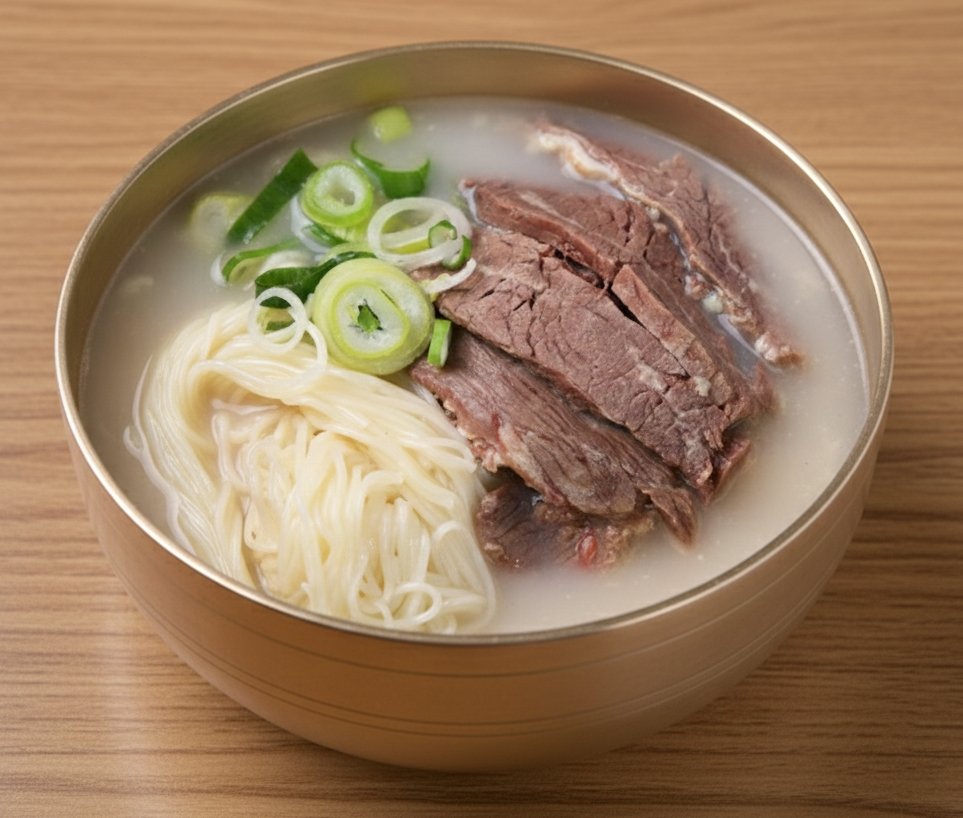
Characterized by milky-white broth made from simmering ox bones for over 12 hours. The deep, savory taste is exceptional. Seolleongtang is made by boiling bones until cloudy white, while gomtang is clear broth made primarily from meat. Season directly to taste with salt and pepper.
Recommended Restaurants
- Hadongkwan (Myeong-dong/Gangnam): A gomtang sanctuary with over 80 years of history. Known to close after lunch hours due to selling out of ingredients.
- Imun Seolleongtang (Jongno): A historic establishment holding the title of Korea’s first registered restaurant (1904).
- Mapo-ok (Mapo): A Michelin Bib Gourmand-selected restaurant specializing in yangji seolleongtang (brisket soup).
Seonji-haejangguk (Blood Cake Hangover Soup)
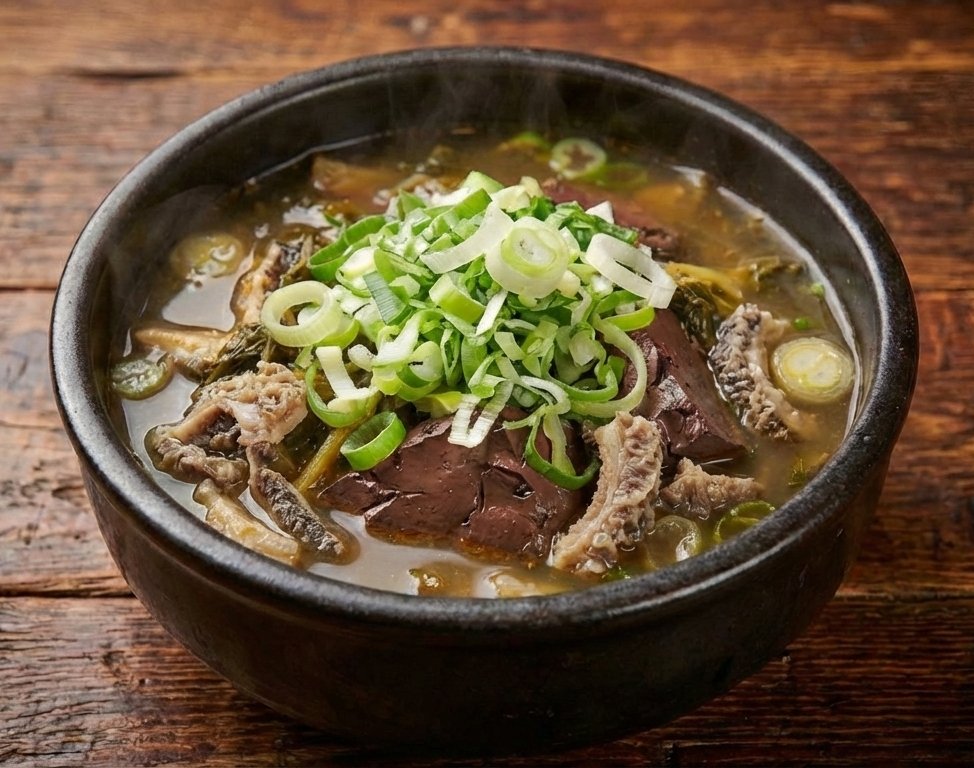
This hangover soup contains seonji³—coagulated ox blood. Bean sprouts and dried radish greens provide refreshing flavors. Seonji offers a tender texture and rich nutrition. The spicy broth excels at relieving hangovers.
³Seonji: Coagulated ox blood with a soft, silky texture similar to soft tofu. Rich in iron and protein, it’s valued for its nutritional benefits.
Recommended Restaurants
- Cheongjinok (Gwanghwamun): Regarded as the premier seonji-haejangguk restaurant. Traditional flavors maintained since 1937.
Yukgaejang (Spicy Shredded Beef Soup)
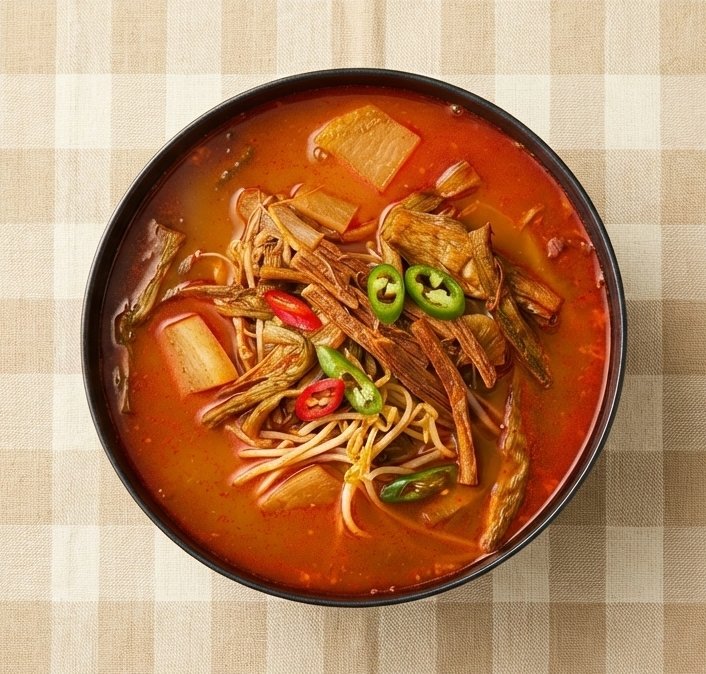
This Korean-style spicy soup combines shredded beef and scallions in red broth. While historically known as summer health food because the spicy heat induces sweating to cool the body, it’s also commonly served to mourners at Korean funeral homes. The addition of bracken (gosari) and mung bean sprouts enhances the textural experience.
Recommended Restaurants
- Buminok (Da-dong): A long-established restaurant famous for yukgaejang kalguksu (knife-cut noodles) and authentic yukgaejang.
- Munbae-dong Yukkalguksu (Samgakji): The pioneering establishment that popularized the trend of adding kalguksu noodles to yukgaejang.
- Yukdaejang (National Chain): The standard-bearer for modern yukgaejang with generous portions of scallions.
Additional Tips for International Visitors
Gukbap arrives within 5-10 minutes of ordering. It makes a perfect meal during a busy travel itinerary.
Yukgaejang and ppyeo-haejangguk can be quite spicy for international palates. If you’re sensitive to spice, request “not spicy, please” (an maepge hae juseyo) or opt for galbi-tang or seolleongtang instead.
There’s a red spicy seasoning paste called dadaegi⁴ that spice lovers add to their gukbap. Rather than adding it from the start, try enjoying “two different tastes” by adding it halfway through your meal.
⁴Dadaegi: A concentrated spicy paste made from red chili powder, garlic, and other seasonings. Used to add heat and depth to soups.
Pricing
Most gukbap dishes range from 8,000 to 15,000 won. Considering the generous portions and high nutritional value, the value is exceptional.
Popular restaurants may require waiting in line. Avoiding peak lunch hours (12:00-1:00 PM) and dinner hours (6:00-7:00 PM) can reduce wait times.
The Meaning of Gukbap
Gukbap is nothing less than Korean culture itself, embodied in food. It’s a convenient yet substantial meal that Koreans enjoy amidst their busy daily lives. Beyond being a meal, a bowl of gukbap in the evening can accompany a bottle of soju as a hearty drinking snack.
Alternatively, it serves as soul food that fills the empty stomach after drinking heartily with colleagues or friends at a bar, engaged in conversation.
If you visit Korea, I strongly encourage you to experience gukbap. Not only is it the best way to feel the life and emotions of Korean people, but you might also discover the paradoxical meaning behind Koreans saying “refreshing!” (siwonhada) when eating piping hot soup.
Restaurant Directory
1. Sundae-guk (순대국)
- Nongmin Baekam Sundae (농민백암순대)
- Main Branch (Seolleung): 40-4, Seolleung-ro 86-gil, Gangnam-gu, Seoul
- City Hall Branch: 33, Namdaemun-ro 1-gil, Jung-gu, Seoul
- Cheongwaok Main Branch (청와옥 본점)
- Address: 48, Wiryeseong-daero, Songpa-gu, Seoul (Near Olympic Park)
- Note: The Euljiro branch is located at 110, Eulji-ro, Jung-gu.
- Park Seobang Sundae-gukbap (박서방순대국밥)
- Address: 156-5, Samseong-dong, Gangnam-gu, Seoul
2. Dwaeji-gukbap (돼지국밥)
- Okdongsik (옥동식)
- Address: 44-10, Yanghwa-ro 7-gil, Mapo-gu, Seoul (Hapjeong area)
- Eom Yongbaek Dwaeji-gukbap (엄용백 돼지국밥)
- Jongno Branch: 20, Insadong 3-gil, Jongno-gu, Seoul
- Busan Main Branch: 39, Suyeong-ro 680beon-gil, Suyeong-gu, Busan
- Suyeong Dwaeji-gukbap (수영돼지국밥)
- Address: 6, Muhak-ro, Suyeong-gu, Busan
3. Galbi-tang (갈비탕)
- Hanilkwan (한일관)
- Apgujeong Branch: 14, Apgujeong-ro 38-gil, Gangnam-gu, Seoul
- Euljiro Branch: 19, Eulji-ro 5-gil, Jung-gu, Seoul
- Beodeunamu-jip (버드나무집)
- Address: 434, Hyoryeong-ro, Seocho-gu, Seoul (Seocho Main Branch)
4. Ppyeo-haejangguk & Seonji (뼈해장국 & 선지)
- Hyundae Nakji-jip (현대낙지집)
- Address: 11, Apgujeong-ro 14-gil, Gangnam-gu, Seoul (Sinsa-dong area)
- Joueun Gamjatang (주은감자탕)
- Address: 71, Samhaksa-ro, Songpa-gu, Seoul
- Cheongjinok (청진옥)
- Address: 32, Jongno 3-gil, Jongno-gu, Seoul
5. Kongnamul-gukbap (콩나물국밥)
- Hyundaeok (현대옥)
- Jeonju Main Branch: 7-4, Hwasancheonbyeon 2-gil, Wansan-gu, Jeonju
- Sambaek-jip (삼백집)
- Jeonju Main Branch: 22, Jeonjugaksa 2-gil, Wansan-gu, Jeonju
6. Seolleongtang & Gomtang (설렁탕 & 곰탕)
- Hadongkwan (하동관)
- Myeong-dong Main Branch: 12, Myeongdong 9-gil, Jung-gu, Seoul
- Gangnam (COEX): 513, Yeongdong-daero, Gangnam-gu, Seoul (Inside Starfield COEX Mall)
- Imun Seolleongtang (이문설농탕)
- Address: 38-13, Ujeongguk-ro, Jongno-gu, Seoul
- Mapo-ok (마포옥)
- Address: 312, Tojeong-ro, Mapo-gu, Seoul
7. Yukgaejang (육개장)
- Buminok (부민옥)
- Address: 24-12, Dadong-gil, Jung-gu, Seoul
- Munbae-dong Yukkalguksu (문배동 육칼)
- Address: 50, Baekbeom-ro 90-gil, Yongsan-gu, Seoul (Near Samgakji Station)
Note: For specific addresses and phone numbers, please search the Korean restaurant names online or use navigation apps like Naver Map or Kakao Map, as many establishments have multiple branches and contact information may vary.